Sapa Weather by Month: Best Time to Visit, Temperatures & Travel Tips (2026 Guide). Nestled in the mountains of northern Vietnam, Sapa is one of the most breathtaking destinations in Southeast Asia. Known for its terraced rice fields, misty valleys, and rich cultural diversity, Sapa offers a travel experience that changes dramatically with the weather.
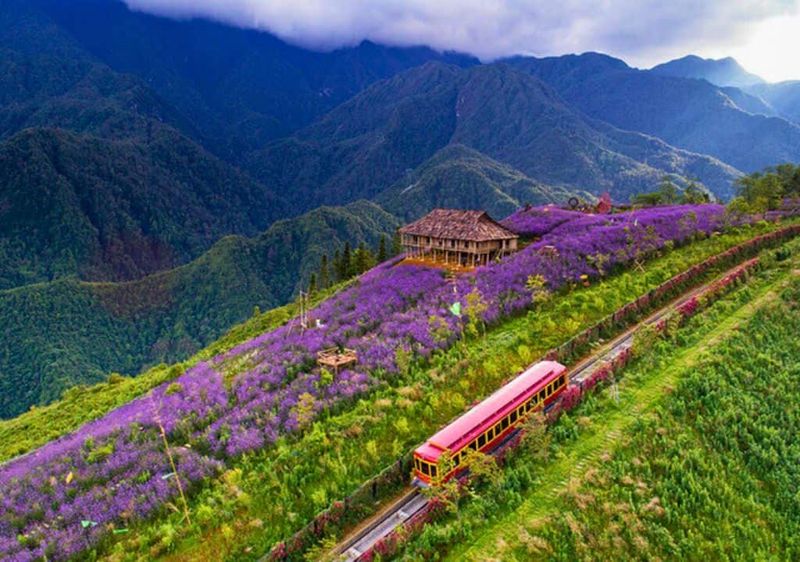
Sapa Weather by Month: Best Time to Visit, Temperatures & Travel Tips (2026 Guide)
Sapa experiences a subtropical highland climate, characterized by four distinct seasons with significant variations in temperature and rainfall throughout the year
Unlike many tropical destinations in Vietnam, Sapa enjoys a unique mountain climate due to its elevation of around 1,500 meters above sea level. This means cooler temperatures year-round, frequent fog, and distinct seasonal changes. Choosing the right time to visit can make the difference between catching golden rice fields under clear skies or navigating heavy rains and thick fog.
In this comprehensive guide, you’ll discover Sapa weather by season and by month, learn the best time to visit based on your travel goals, and get practical tips to prepare for any conditions.
Overview of Sapa Weather
Sapa’s climate is heavily influenced by its mountainous terrain and high altitude. While most of Vietnam experiences tropical heat, Sapa remains relatively cool throughout the year.
Key weather characteristics:
- Average temperature: 8°C – 25°C
- Cool summers and cold winters
- High humidity and frequent fog
- Distinct rainy season (June – August)
- Occasional frost and rare snowfall in winter
This combination creates a constantly changing landscape—lush green in summer, golden in autumn, and mysterious under fog in winter.
Sapa Weather by Season (What Makes Each Season Special)
Understanding Sapa by season gives you a big-picture view before diving into monthly details.
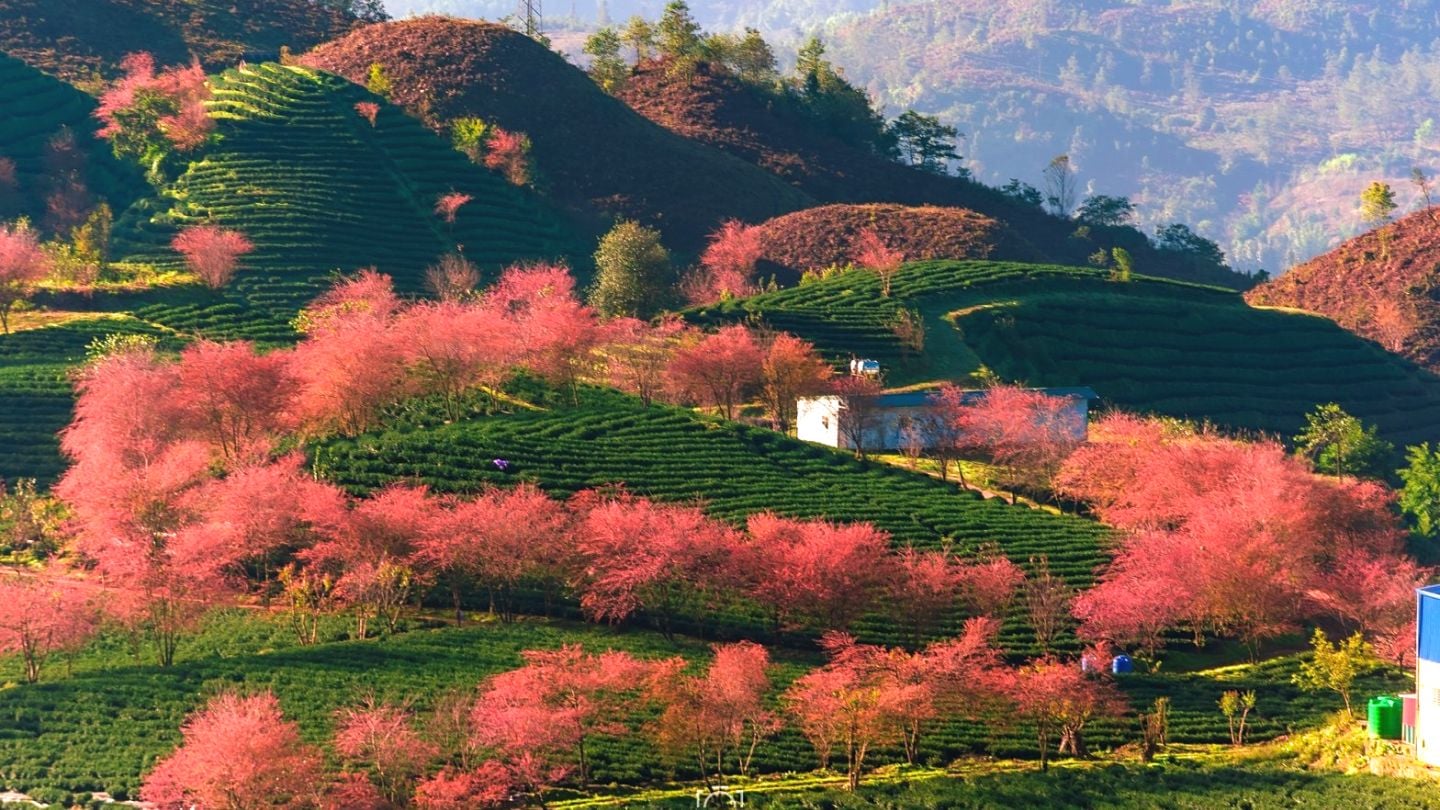
Spring (March – May) – Fresh Air & Blooming Flowers 🌸
Spring is one of the most pleasant times to visit Sapa. After the cold winter months, the weather becomes milder and more stable.
What makes it special:
- Flowers bloom across the valleys (peach blossoms, plum blossoms)
- Clearer skies and less fog compared to winter
- Comfortable temperatures perfect for outdoor activities
Temperature range: 8°C – 22°C
Why visit in spring:
This is an ideal time for trekking, sightseeing, and photography. The landscapes feel alive again, with vibrant colors and fresh mountain air.
Things to consider: Light layers are enough, but mornings and evenings can still be chilly
Summer (June – August) – Green Landscapes & Water Season 🌿
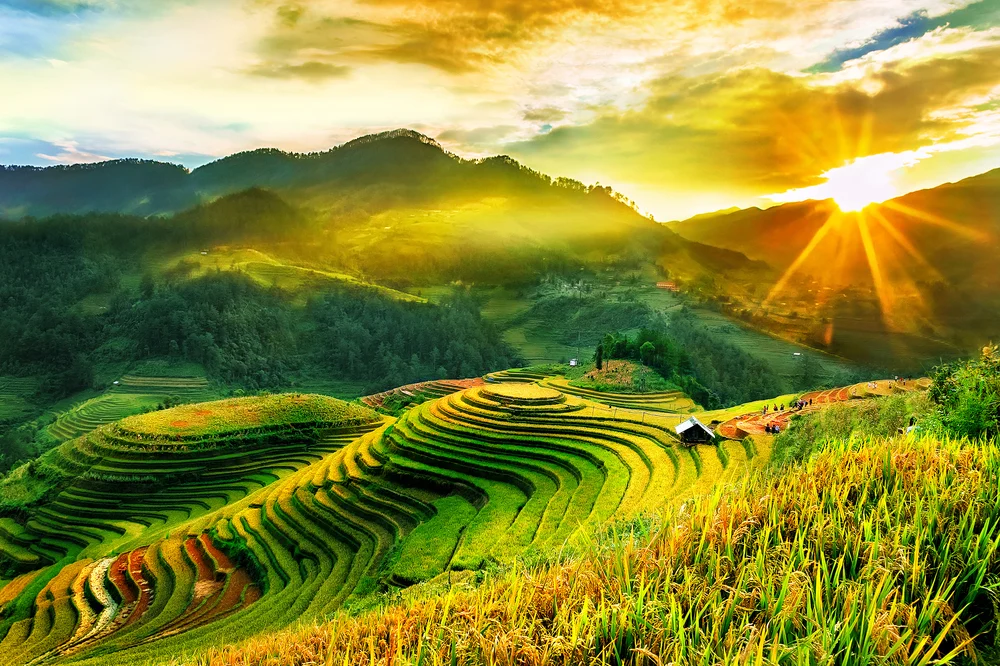
Summer transforms Sapa into a lush, green paradise. This is when the famous terraced rice fields are filled with water, creating mirror-like reflections.
What makes it special:
- Rice terraces in the “water pouring season”
- Vibrant greenery everywhere
- Fewer tourists compared to peak months
Temperature range: 18°C – 28°C
Downsides:
- Heavy rainfall, especially in July
- Risk of slippery roads and landslides
Who should visit:
Travelers who love dramatic landscapes and don’t mind occasional rain will find summer rewarding.
Autumn (September – November) – Golden Rice & Best Views 🌾
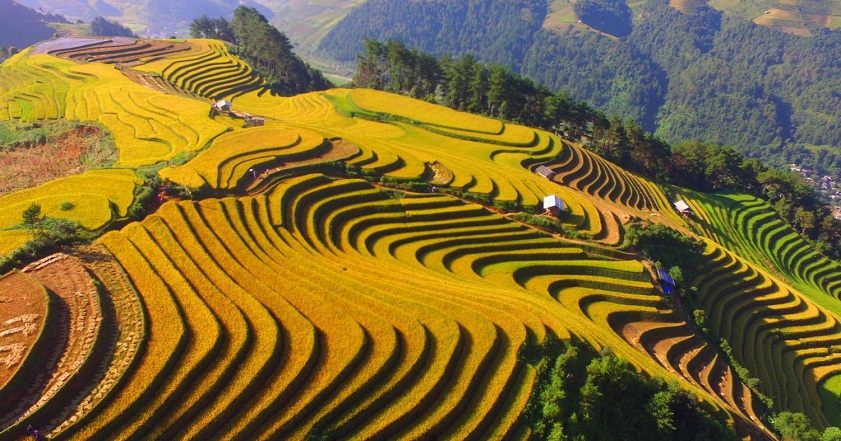
Autumn is widely considered the best season to visit Sapa—and for good reason.
- What makes it special:
- Golden rice terraces (especially in September)
- Dry, stable weather
- Clear skies with excellent visibility
Temperature range: 15°C – 26°C
Why it’s the best:
This is when Sapa is at its most photogenic. The combination of golden fields and crisp mountain air attracts photographers and travelers from around the world.
Things to note: Peak tourist season → book accommodation early
Winter (December – February) – Cold, Fog & Occasional Snow ❄️
Winter in Sapa offers a completely different experience compared to the rest of Vietnam.
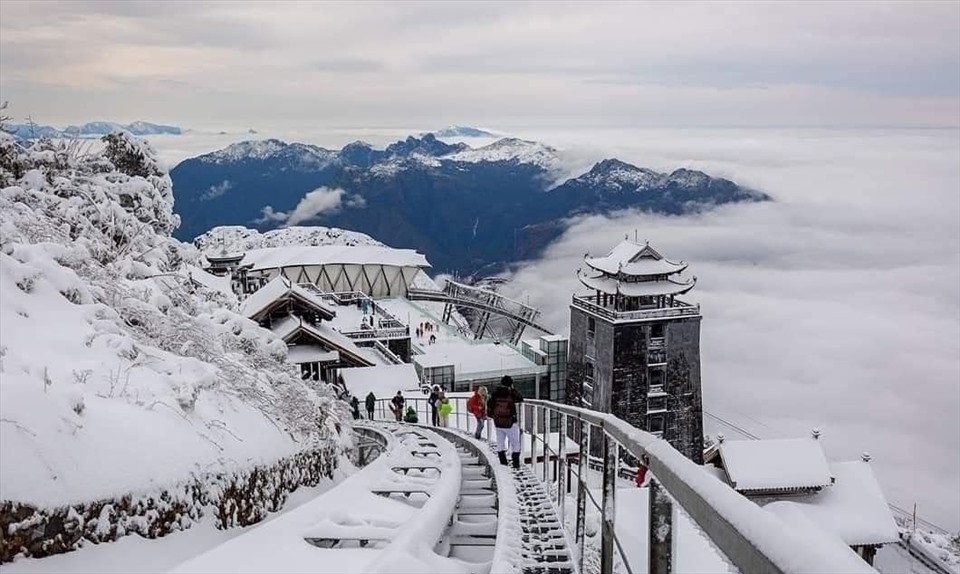
What makes it special:
- Cold temperatures rarely found elsewhere in the country
- Thick fog creates a mystical atmosphere
- Occasional frost and rare snowfall
Temperature range: 3°C – 15°C
Why visit:
If you want to experience a European-like winter in Vietnam, this is your chance.
Challenges:
- Visibility can be low due to fog
- Very cold, especially at night
Sapa Weather by Month
Now let’s explore Sapa weather month by month for a more precise travel plan.
January – Coldest Time of the Year
- Temperature: 3°C – 10°C
- Very cold with dense fog
- Chance of frost or even snow
Best for: Winter lovers and unique experiences
February – End of Winter
- Temperature: 5°C – 12°C
- Slightly warmer but still cold
- Flowers begin to bloom
Highlights: Early spring atmosphere
March – Beginning of Spring
- Temperature: 8°C – 18°C
- Pleasant weather, less fog
- Flowers in full bloom
Great for: Trekking and photography
April – Ideal Weather
- Temperature: 12°C – 22°C
- Clear skies, mild temperatures
Perfect for: Outdoor adventures
May – Transition to Summer
- Temperature: 15°C – 25°C
- Beginning of rainy season
- Rice terraces start filling with water
June – Green Season
- Temperature: 18°C – 28°C
- Frequent rain
- Landscapes become lush and vibrant
July – Peak Rainfall
- Temperature: 20°C – 28°C
- Heaviest rains of the year
Note: Not ideal for trekking
August – Rain Eases Slightly
- Temperature: 20°C – 27°C
- Rain continues but less intense
September – Best Month to Visit
- Temperature: 18°C – 26°C
- Golden rice terraces
- Clear skies
- Top highlight of the year
October – Cool & Clear
- Temperature: 15°C – 24°C
- Stable weather
- Great visibility
November – Quiet & Chilly
- Temperature: 10°C – 20°C
- Fewer tourists
- Calm atmosphere
December – Start of Winter
- Temperature: 5°C – 15°C
- Cold weather returns
- Fog becomes more frequent
Best Time to Visit Sapa
The best time depends on what you’re looking for:
- Best overall: September – October (perfect weather + stunning scenery)
- Best weather conditions: March – April (comfortable and dry)
- Best for photography: September (golden rice fields)
- Best for unique experiences: December – January (cold, possible snow)
- Months to avoid (if possible): July – August due to heavy rain
Travel Tips for Sapa Weather
To make the most of your trip to Sapa, preparation is key.
Essential tips:
- Always check the weather forecast before traveling
- Pack layers—Sapa can be cold even in summer
- Bring:
- A warm jacket
- Raincoat (especially in summer)
- Comfortable trekking shoes
Safety tips:
- Be cautious on slippery roads during rainy months
- Plan transportation carefully in bad weather
What to Pack for Each Season
Spring & Autumn:
- Light jacket
- Comfortable walking shoes
Summer:
- Breathable clothes
- Raincoat or poncho
Winter:
- Heavy jacket
- Thermal wear
- Gloves, scarf
Conclusion – Sapa Weather
Sapa is a destination that offers something unique in every season. From blooming flowers in spring to golden rice terraces in autumn and misty winter landscapes, each time of year reveals a different side of this mountain town.
If you want the best overall experience, plan your trip between September and October. But ultimately, the best time to visit Sapa depends on what kind of adventure you’re looking for.
No matter when you go, one thing is certain—Sapa’s weather will shape your journey in unforgettable ways.
If you’re planning a trip to Sapa and want to make the most of your experience, don’t hesitate to get in touch with us. Our team is always ready to help you plan the perfect itinerary based on the weather, assist with hotel bookings, arrange trekking tours, and share practical travel tips so you can enjoy Sapa at its best.
📩Contact us here to get a free itinerary and quotation.
WhatsApp Hotline: +84965514942.
Email: info@vietnamjourneysgroup.com