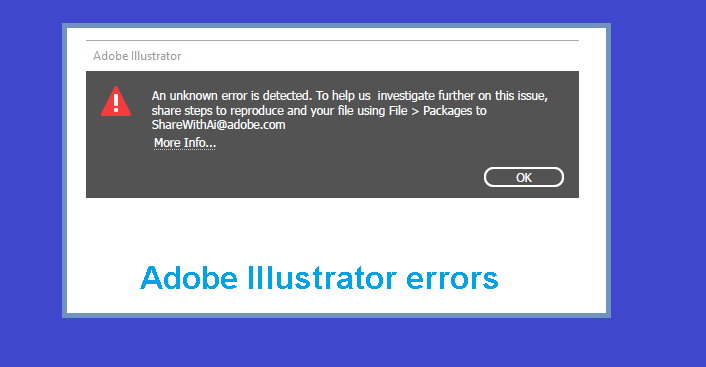
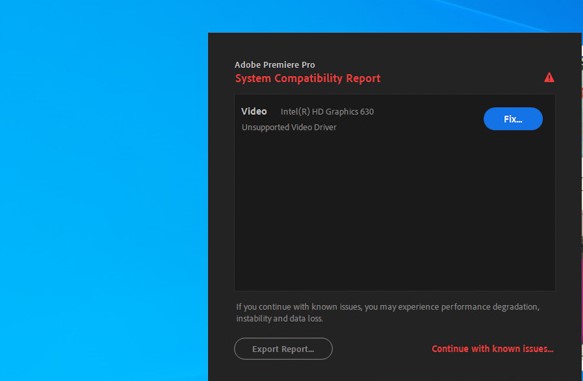
How to fix Adobe unsupported video driver, Unsupported Video Driver Premiere Pro 2020.Been using adobe for years, now I get “unsupported video driver” on both my laptop, and on my main PC.All my drivers are up to date.V14 will crash with any kind of use at all.
How to fix Adobe unsupported video driver
- Press Windows key + R, type
dxdiag, and press Enter. - Go to the Display tab (Display 1 or Display 2 if you have multiple cards).
- Note down the Name and Manufacturer (e.g., NVIDIA, AMD, or Intel).
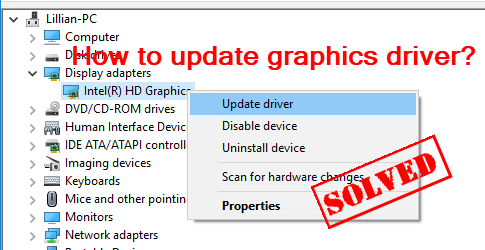
Visit the manufacturer’s official support website to download the latest driver software for your specific GPU model:
- NVIDIA: NVIDIA Driver Downloads
- AMD: AMD Drivers & Support
- Intel: Intel Driver & Support Assistant
- Run the downloaded installer file (often by right-clicking and selecting “Run as administrator”).
- Follow the on-screen instructions. A clean installation is often a good idea.
- Restart your computer after the installation is complete.
- Open your Adobe application (e.g., Photoshop, Premiere Pro).
- Go to Edit > Preferences > Performance.
- Uncheck the box that says Use Graphics Processor (or Use Hardware Acceleration).
- Restart the application.
- Check System Requirements: Ensure your graphics card meets the Adobe Minimum System Requirements for the version you are using. Very old hardware may simply not be supported by newer Adobe versions.
- Update the Adobe Software: Sometimes updating the Adobe application itself via the Creative Cloud desktop app can resolve compatibility bugs.
- Check for known issues: The error message often provides a “fix it” button or a link to a compatibility report that offers specific advice for your hardware
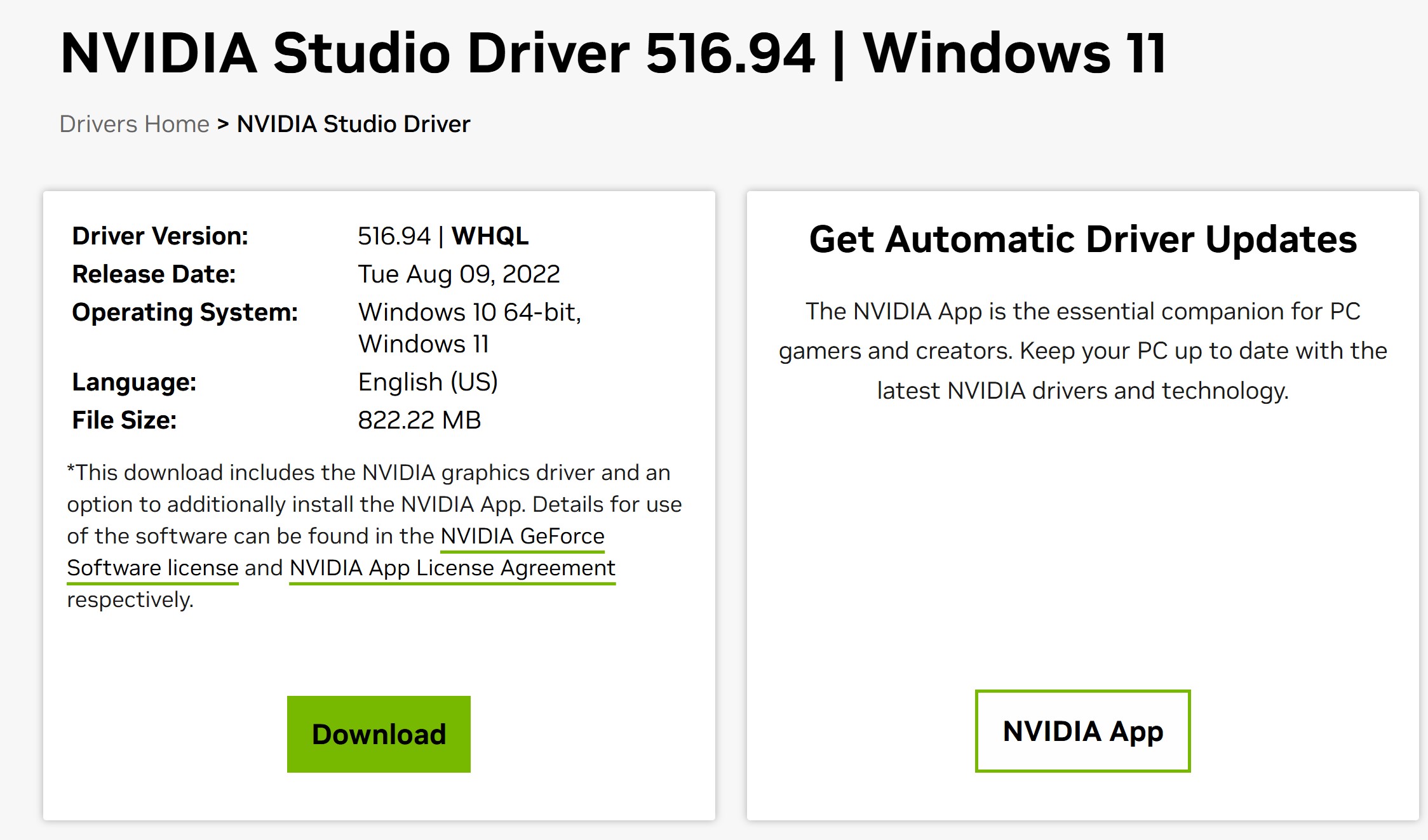
Adobe recommends installing the latest Studio driver for the supported NVIDIA GPUs:
- Studio driver for GeForce GTX/RTX desktop GPUs
- Studio driver for GeForce GTX/RTX notebook GPUs
- Studio driver for RTX/Quadro desktop and notebook GPUs
NVIDIA has stopped releasing Studio Drivers for 900 series and below. For these GPUs, you may use the latest Game Ready Drivers.
Also, NVIDIA has ended support for Kepler mobile GPUs. If you’re using one of these devices, the system compatibility report In Premiere Pro alerts you that your driver must be updated. However, there are no driver updates for this series.
In Adobe Premiere Pro, your computer’s graphics processing unit (GPU) plays a crucial role in accelerating various video editing tasks, significantly improving performance.
Here’s a breakdown of its primary functions:
- Hardware-accelerated decoding: Speeds up playback of popular formats.
- Rendering your timeline for playback and export: This includes effects and general compositing.
- Hardware-accelerated encoding: This speeds up export to certain popular formats.
- Artificial Intelligence and Machine Learning processing: Sensei ML features, including Scene Edit Detection, Transcription, and Caption generation, run on GPU or dedicated ML hardware.
To ensure good performance and reliability, it is important to have a recent GPU driver installed in your operating system. Occasionally, an upgrade to a new version of Premiere Pro might require that you install an updated video driver. In addition, if Adobe is aware that a specific driver version may be incompatible with our applications, you will see a System Compatibility Report appear on application launch.
Check the OS documentation and ensure you have an updated video driver. If an IT department manages your computer, check with them first before installing a new driver, as some organizations manage driver installations centrally.
Method 1 Adobe unsupported video driver
Do not count on WinUX Blocksdows to be fully up to date when it comes to device drivers
Go to the vendor site to be sure you have an updated driver for your graphic adapter
•nVidia Driver Downloads http://www.nvidia.com/Download/index.aspx?lang=en-us
•ATI Driver https://www.amd.com/en/support
You might not be meeting system requirements. Can you check? https://helpx.adobe.com/gr_en/premiere-pro/user-guide.html/gr_en/premiere-pro/system-requirements.ug…
There are also intermittent reports that the newest driver is not always the best driver due to driver bugs or compatibility issues, so you MAY need to try an earlier driver version
Method 2
I am suggesting that Adobe had updated its software significantly to make better use of newer features on newer hardware. Unfortunately, as you found out, it broke compatibility with hardware that’s more than three years old. And your CPU is already almost eight years old at this point.
And as you discovered, even a company that’s bigger than Adobe has faced this same dilemma: Either add new features to take advantage of newer hardware, or continue to support old outdated and/or obsolete hardware. One can’t have it both ways.