Shipping Cargo from Hanoi to Saigon by Train: Complete Guide to North-South Rail Freight in Vietnam, North-South railway freight Vietnam, Hanoi to Saigon cargo shipping, shipping goods by train in Vietnam, Vietnam railway cargo service, less-than-truckload shipping Vietnam
Shipping cargo from Hanoi to Saigon by train is an increasingly practical option for individuals, online sellers, retailers, manufacturers, and businesses that need to move goods over a long distance without hiring an entire truck.
Vietnam’s North-South railway connects Hanoi with Ho Chi Minh City and many major cities along the route. For long-distance shipments, rail freight can be particularly attractive when the cargo is heavy, bulky, or not urgent enough to require express road delivery.
Instead of paying for a dedicated truck, customers can ship smaller consignments as less-than-truckload or consolidated cargo, with the goods transported by rail and, when necessary, handled by road vehicles at the origin and destination.
The important point is that the cheapest railway freight rate is not necessarily the cheapest overall solution. Customers should consider packing, loading, unloading, station handling, pickup, final delivery, and storage when comparing different options.
What Is Less-than-Truckload Rail Shipping in Vietnam?
Less-than-truckload shipping refers to cargo that does not require an entire truck or dedicated railway container.
For example, a company in Hanoi may need to send 100 kg, 300 kg, or 1 ton of products to Ho Chi Minh City. Renting an entire truck for such a shipment may not be economical.
Instead, the cargo can be consolidated with other shipments traveling in the same general direction.
This model is particularly useful for:
Small and medium-sized businesses
Online sellers
Retail stores
Manufacturers sending components or finished products
Companies transferring stock between warehouses
Individuals moving household goods
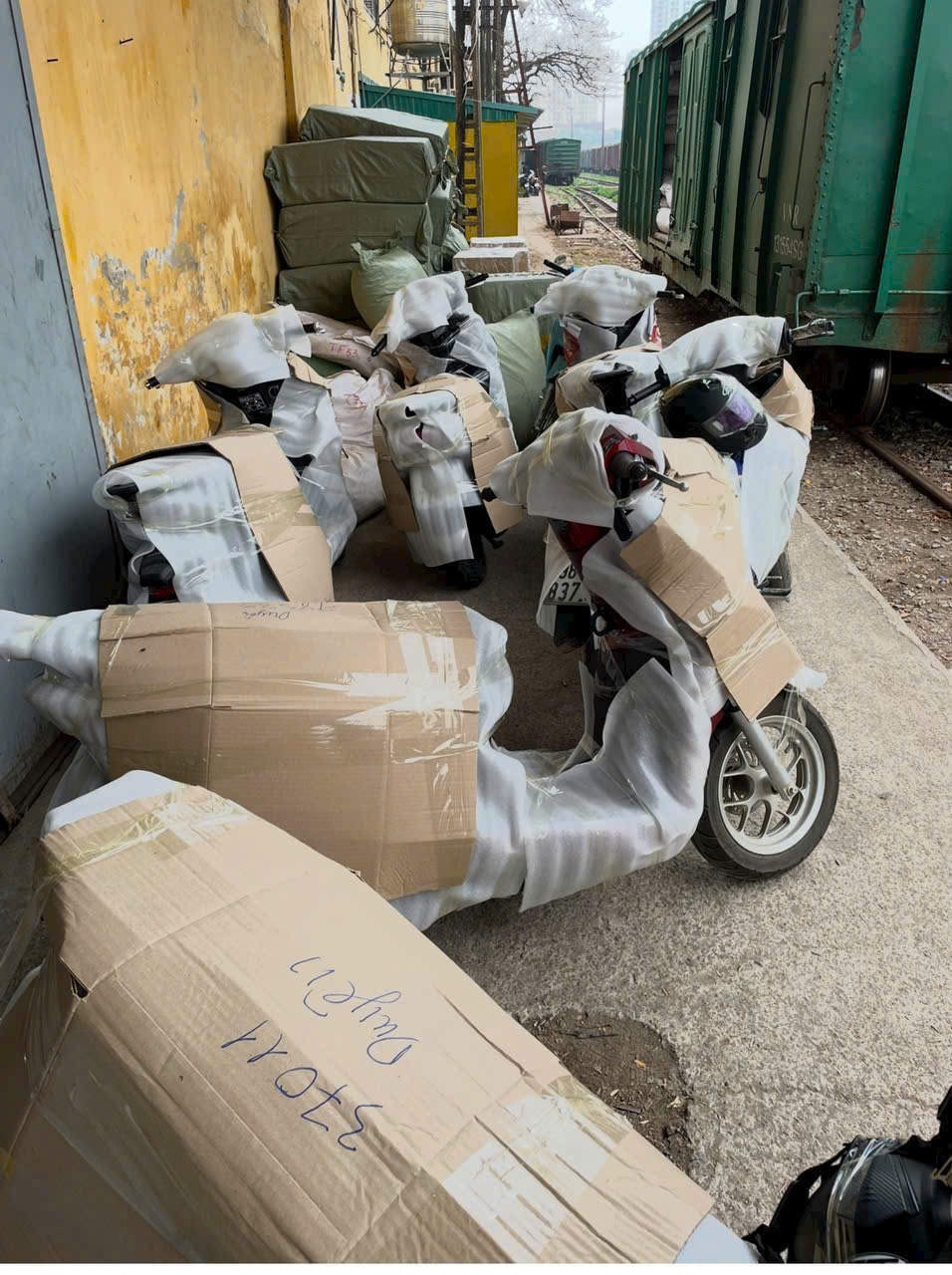
Customers shipping motorcycles, machinery, furniture, or other bulky items
The actual shipping arrangement depends on the cargo type, dimensions, weight, destination, and required delivery service.
Why Consider Shipping Cargo by Train from Hanoi to Saigon?
The biggest advantage of rail freight is its suitability for long-distance transportation.
The Hanoi–Ho Chi Minh City route covers more than 1,700 km, making it a very different logistics problem from a short-distance delivery within one city.
For heavy or bulky cargo, rail transportation can be an attractive alternative to sending individual shipments entirely by road.
Another advantage is that customers do not necessarily need to arrange a dedicated truck. Smaller shipments can be consolidated, which can make the transportation cost more reasonable.
There is also a practical advantage for businesses that do not need extremely fast delivery.
A recent discussion on OTOFUN about sending goods from Hanoi to Ho Chi Minh City illustrates this point well. One business user said they had previously shipped smaller quantities from Giap Bat and found the price reasonable compared with trucks, although the main disadvantage was that the shipment took longer.
That is an important distinction: rail freight is often more attractive when cost and long-distance efficiency matter more than speed.
What Types of Cargo Can Be Shipped by Train?
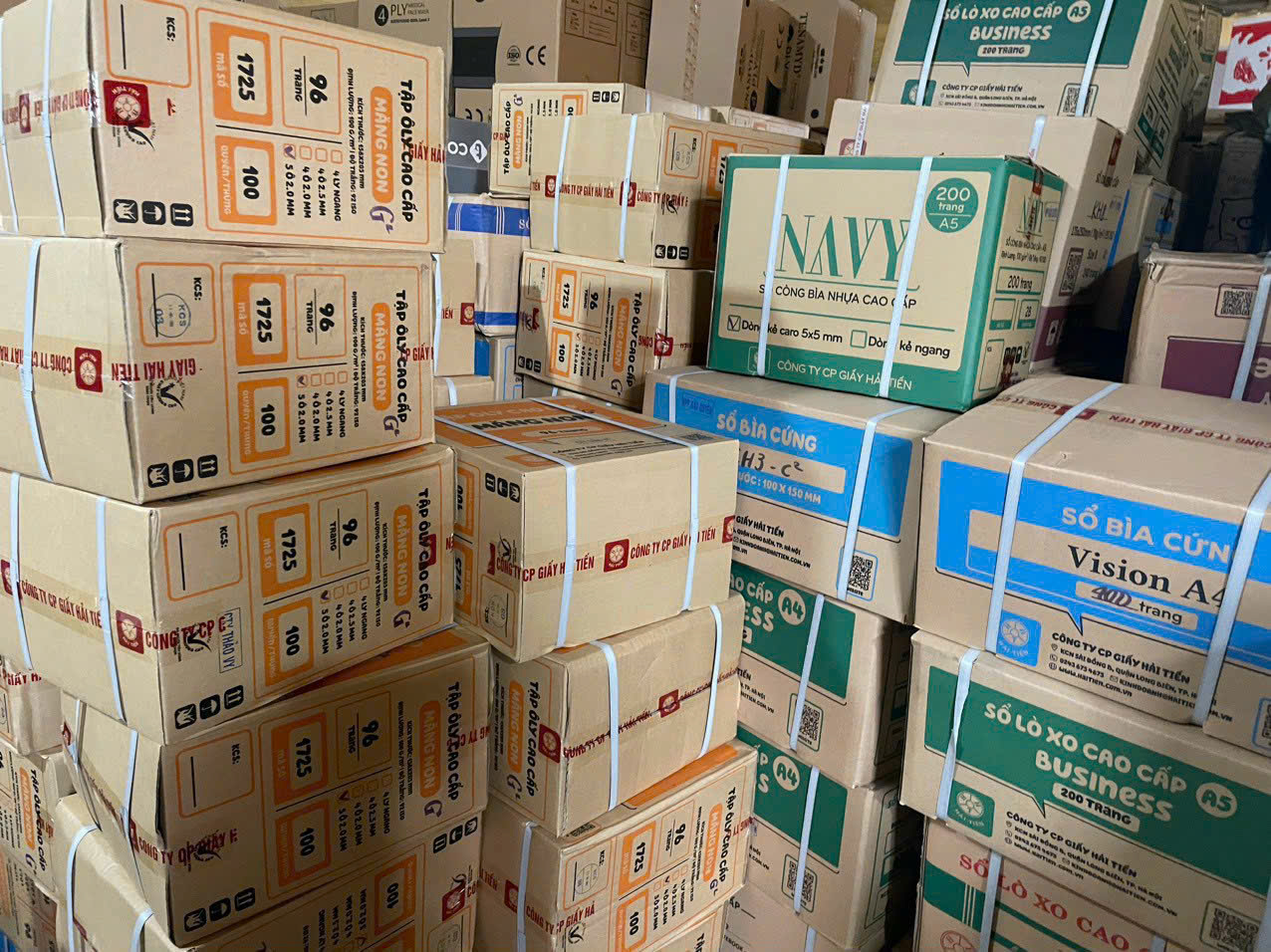
Rail freight can handle a wide variety of cargo, provided that the goods comply with transportation regulations.
Common examples include:
Garments and textiles
Shoes and leather products
Plastic products and plastic materials
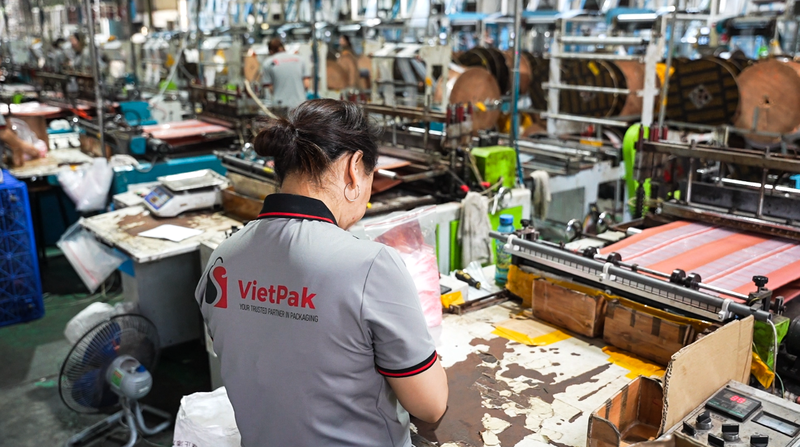
Paper and packaging materials
Furniture
Household goods
Machinery and industrial equipment
Spare parts
Electrical equipment
Factory materials
Consumer goods
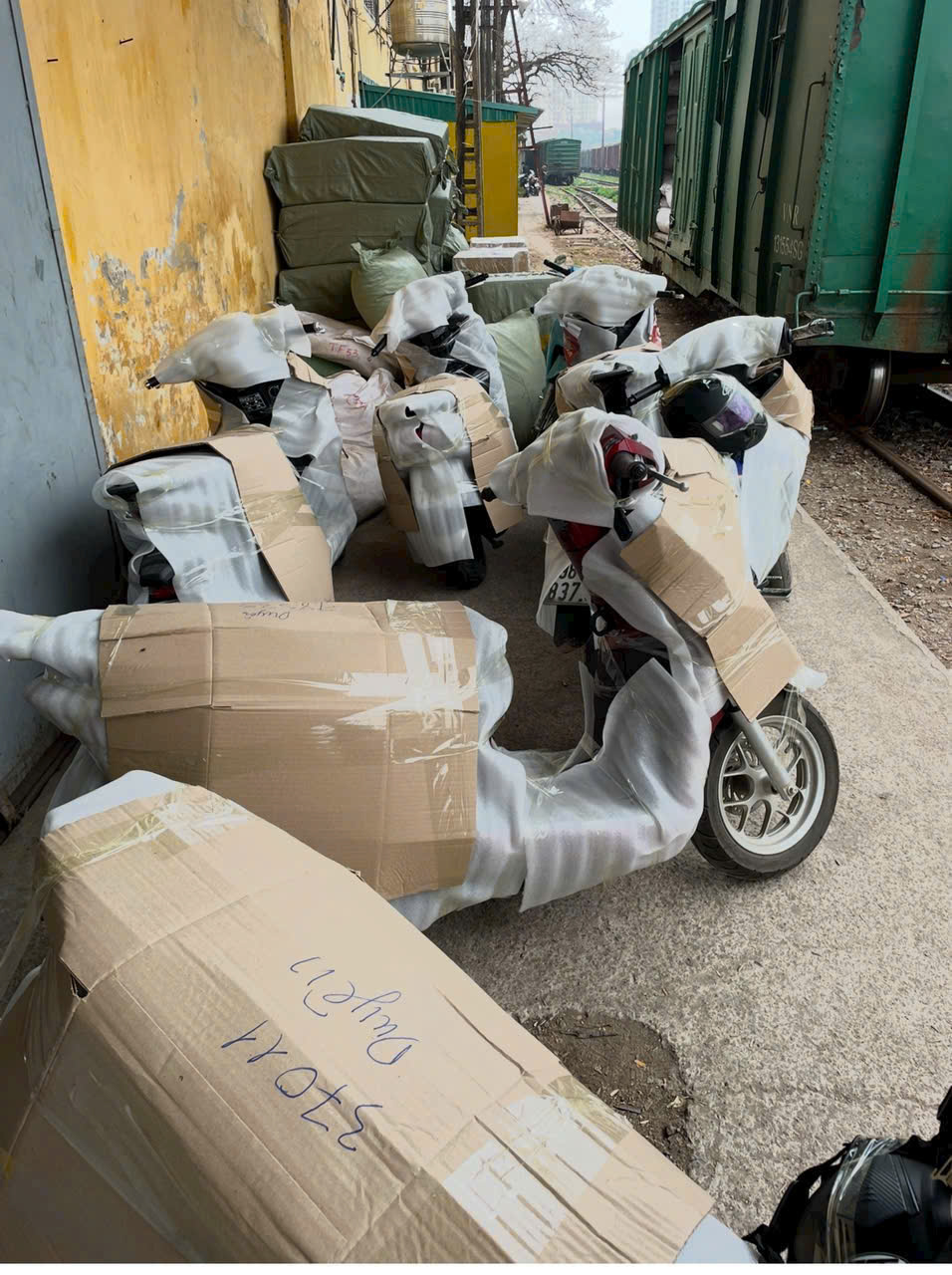
Motorcycle and bicycle shipments
Palletized cargo
Crated machinery
The correct packing method depends heavily on the type of product.
A box of clothing, for example, requires a very different packing solution from a 500 kg machine or a fragile glass product.
Should Cargo Be Charged by Weight or Volume?
This is one of the most important questions when requesting a freight quotation.
Some cargo is primarily charged according to weight, while bulky but relatively lightweight cargo may need to be calculated according to volume.
For example, imagine two shipments that both weigh 200 kg.
Shipment A consists of compact boxes containing metal components.
Shipment B consists of large but lightweight plastic products.
Although both shipments weigh 200 kg, they occupy very different amounts of space.
Therefore, customers should provide both:
Total weight + package dimensions + number of packages
when requesting a quotation.
A useful basic volume calculation is:
Length × Width × Height = Cubic Volume
For example:
| Dimension | Measurement |
|---|---|
| Length | 1.0 m |
| Width | 0.8 m |
| Height | 0.8 m |
| Total volume | 0.64 m³ |
Providing accurate dimensions from the beginning makes it much easier for the shipping provider to calculate the actual transportation cost.
How Much Does It Cost to Ship Cargo from Hanoi to Saigon?
There is no universal price for North-South railway freight.
The final cost can depend on:
Cargo weight
Cargo volume
Type of goods
Packaging requirements
Departure station
Destination station
Loading and unloading
Pickup service
Final delivery
Storage requirements
Special handling
For this reason, online advertisements showing a very low price per kilogram should not automatically be interpreted as the final amount the customer will pay.
A better question is:
“What is the total door-to-door cost for my shipment?”
This is especially important for customers located outside Hanoi or Ho Chi Minh City.
For example, a railway rate may look inexpensive if calculated from station to station. But if the cargo must first be collected from a warehouse in Bac Ninh and then delivered from a station in Ho Chi Minh City to Binh Duong, additional road transportation will be required.
The total logistics cost therefore needs to be calculated from the actual origin to the actual destination.
Station-to-Station or Door-to-Door Delivery?
There are several possible arrangements.
Station-to-Station
The customer delivers the cargo to the departure station and collects it at the destination station.
This can be economical when both locations are close to the railway stations and the customer has suitable transportation.
Warehouse-to-Station
The shipping company collects the cargo from the customer’s warehouse and transports it to the railway station.
Station-to-Warehouse
The cargo travels by rail and is then delivered from the destination station to the customer’s warehouse.
Door-to-Door
The shipping company handles pickup and delivery at both ends.
Door-to-door service is generally more convenient, especially for heavy or bulky cargo, but the total cost will naturally be higher than a simple station-to-station shipment.
This distinction is important because many customers initially compare only the railway freight rate without considering the first and last kilometers.
How Should Cargo Be Packed for Railway Transportation?
Packing is one of the most important parts of the entire process.
Rail transportation does not mean that goods can be packed carelessly.
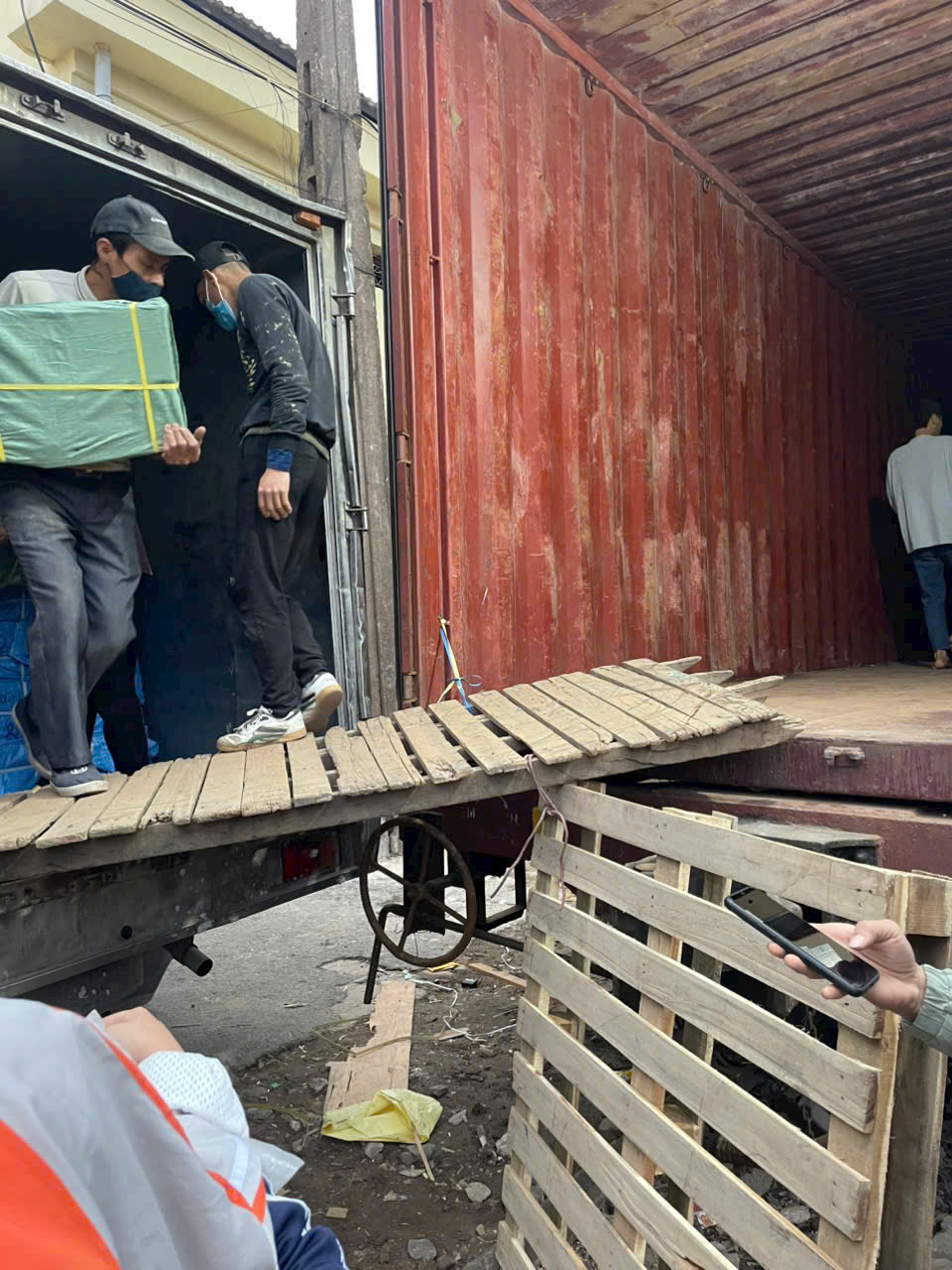
Cargo may be loaded, unloaded, moved between storage areas, or handled together with other shipments. Fragile or high-value goods therefore require appropriate protection.
For ordinary goods, cardboard boxes, woven bags, pallets, or reinforced packaging may be sufficient.
For machinery, wooden crates or pallets may be more appropriate.
For fragile products, additional shock-absorbing materials should be used.
For furniture, corners and finished surfaces should receive extra protection against scratches and impact.
For heavy machinery, the cargo should also be secured so that it cannot move during handling.
If forklifts, cranes, or other lifting equipment are required, this should be discussed before the shipment is accepted.
What Do Real Customers Say About Railway Freight?
Online discussions provide some useful insight into what customers actually care about.
A recent OTOFUN discussion about shipping motorcycles and cargo by rail includes comments from users who had previously transported motorcycles between Hanoi and southern Vietnam. Several users described railway shipping as reliable for valuable motorcycles, while others focused on the need to remove fuel and the importance of proper packing.
A 2026 VOZ discussion about shipping a motorcycle by train also highlights practical concerns such as fuel removal and protective wrapping.
International travelers report similar experiences. A Tripadvisor user described shipping a motorcycle between Hanoi and Ho Chi Minh City and specifically warned that the motorcycle arrived later than expected, making a time buffer important when connecting the shipment with another trip.
Reddit discussions about sending luggage and motorcycles by train in Vietnam also mention using the freight department at railway stations and the convenience of having goods stored temporarily at the destination.
These experiences suggest several practical lessons.
Price is only one part of the decision.
Customers also need to ask about:
How the cargo is packed
Where the cargo will be collected
Where it will be delivered
Whether storage is available
What happens if the train is delayed
Whether fuel or other restricted materials must be removed
Whether additional loading or unloading fees apply
How damage or loss is handled
This is particularly important for high-value or time-sensitive cargo.
Railway Freight Is Not Always the Fastest Option
One common misunderstanding is that railway freight should be compared only by its scheduled travel time.
The actual logistics process can take longer because cargo needs to be received, sorted, loaded, transported, unloaded, and potentially delivered by road after reaching the destination.
A customer who needs urgent delivery within a specific 24 or 48-hour window may therefore prefer road freight.
Railway transportation is generally more suitable when the shipment can tolerate a longer transit period in exchange for potentially better long-distance economics.
This is also reflected in user discussions: people who have used rail freight often describe the price as reasonable but acknowledge that it can take longer than road transportation.
Shipping Motorcycles by Train
Motorcycles are a special category of railway cargo in Vietnam.
Foreign travelers and local users have documented using trains to move motorcycles between Hanoi, Da Nang, and Ho Chi Minh City. One long-running travel forum account described sending a motorcycle by train and receiving it after several days, while another detailed experience reported that motorcycles were packed and that fuel was removed before transportation.
Recent Vietnamese forum discussions report similar practical requirements, including reducing fuel before shipment and protecting the motorcycle against scratches.
Anyone shipping a motorcycle should therefore confirm the current requirements with the carrier before arriving at the station. Fuel regulations, documentation, packing procedures, and handling charges can vary.
What Cargo Should Not Be Sent Without Checking First?
Certain categories of goods require special consideration or may be prohibited.
Examples can include:
Explosive materials
Highly flammable substances
Radioactive materials
Certain chemicals
Live animals
Other restricted or dangerous goods
Customers should always declare the actual contents of their shipment.
Do not describe a restricted product as ordinary cargo simply to obtain a lower shipping price.
For commercial shipments, accurate documentation is particularly important because the carrier may need to verify the nature and value of the goods.
A Practical North-South Railway Shipping Process
The basic process can be organized into several stages.
Step 1: Provide Cargo Information
Tell the shipping company what you are sending, the number of packages, total weight, dimensions, pickup address, destination, and preferred shipping date.
Step 2: Select the Transportation Method
The carrier determines whether the cargo should be charged by weight or volume and whether station-to-station or door-to-door transportation is more suitable.
Step 3: Confirm the Total Price
Ask for a complete quotation rather than only a railway freight rate.
Confirm whether packing, loading, unloading, pickup, delivery, VAT, and storage are included.
Step 4: Pack and Label the Cargo
Goods should be packed according to their characteristics and clearly identified.
Step 5: Handover and Documentation
The cargo is handed over and the sender receives the relevant shipping documentation.
Step 6: Rail Transportation
The shipment is consolidated and transported by rail toward the destination.
Step 7: Destination Handling
After arriving, the cargo can either be collected at the station or transferred to a road vehicle for final delivery.
Train vs. Truck for Hanoi–Saigon Cargo
| Factor | Railway | Truck |
|---|---|---|
| Long-distance shipping | Excellent option | Excellent option |
| Heavy cargo | Very suitable | Suitable |
| Small shipments | Suitable through consolidation | Suitable |
| Door-to-door delivery | Usually requires road connection | Very convenient |
| Urgent delivery | Less suitable | Better |
| Bulky cargo | Suitable with proper handling | Flexible |
| Cost for long-distance cargo | Often competitive | Depends on route and fuel |
| Multiple delivery points | Less flexible | More flexible |
| Dedicated shipment | Less necessary | Easy to arrange |
The right choice therefore depends on the shipment rather than simply on the transportation method.
How to Reduce North-South Shipping Costs
The first step is to measure and weigh your cargo accurately.
The second is to use appropriate packaging rather than simply choosing the cheapest packaging material.
The third is to ask for a complete quotation.
The fourth is to consolidate shipments whenever possible.
For businesses shipping regularly between Hanoi and Ho Chi Minh City, negotiating based on monthly or annual volume may also produce a more suitable logistics arrangement than ordering individual shipments each time.
Another useful strategy is to compare total door-to-door cost, not just the railway rate.
For example:
Rail freight + pickup + packing + loading + destination handling + final delivery = actual logistics cost
This calculation gives a much more realistic comparison with a truck quotation.
Is Shipping Cargo by Train from Hanoi to Saigon a Good Choice?
For businesses and individuals shipping heavy, bulky, or non-urgent cargo over the long distance between northern and southern Vietnam, railway transportation is certainly worth considering.
Its biggest advantage is not necessarily speed. Instead, the value lies in combining long-distance transportation capacity with the possibility of consolidating smaller shipments.
The experiences shared by users on Vietnamese forums and international travel communities also show that practical details matter enormously. Packing, fuel requirements, pickup arrangements, destination handling, storage, and delivery time can make a significant difference to the overall experience.
For that reason, the best railway shipping service is not necessarily the one advertising the lowest price per kilogram. It is the one that can provide a clear answer to the most important question:
How much will it cost to move my actual cargo from my address in Hanoi to the final delivery address in Ho Chi Minh City?
Once weight, volume, packaging, handling, transportation, and final delivery are calculated together, customers can make a much more informed decision between railway freight, trucking, and other logistics options.